
Before choosing a generator, decide what role it will play in the site’s power supply. A unit waiting for an occasional outage and one supplying a remote operation every day need different project briefs. The choice should follow actual operating needs rather than assumptions about generator demand or market growth.
Describe the normal source of power
If utility electricity normally serves the site, list the equipment you want to support during an outage. Record how often outages occur, their likely duration and which activities can be paused. This creates a practical backup-power brief.
If there is no utility connection, explain the site’s daily work schedule. A temporary works compound might need lighting, tools and pumps for a shift. A remote facility may have daytime peaks and a smaller overnight load. Both need regular-generation planning.
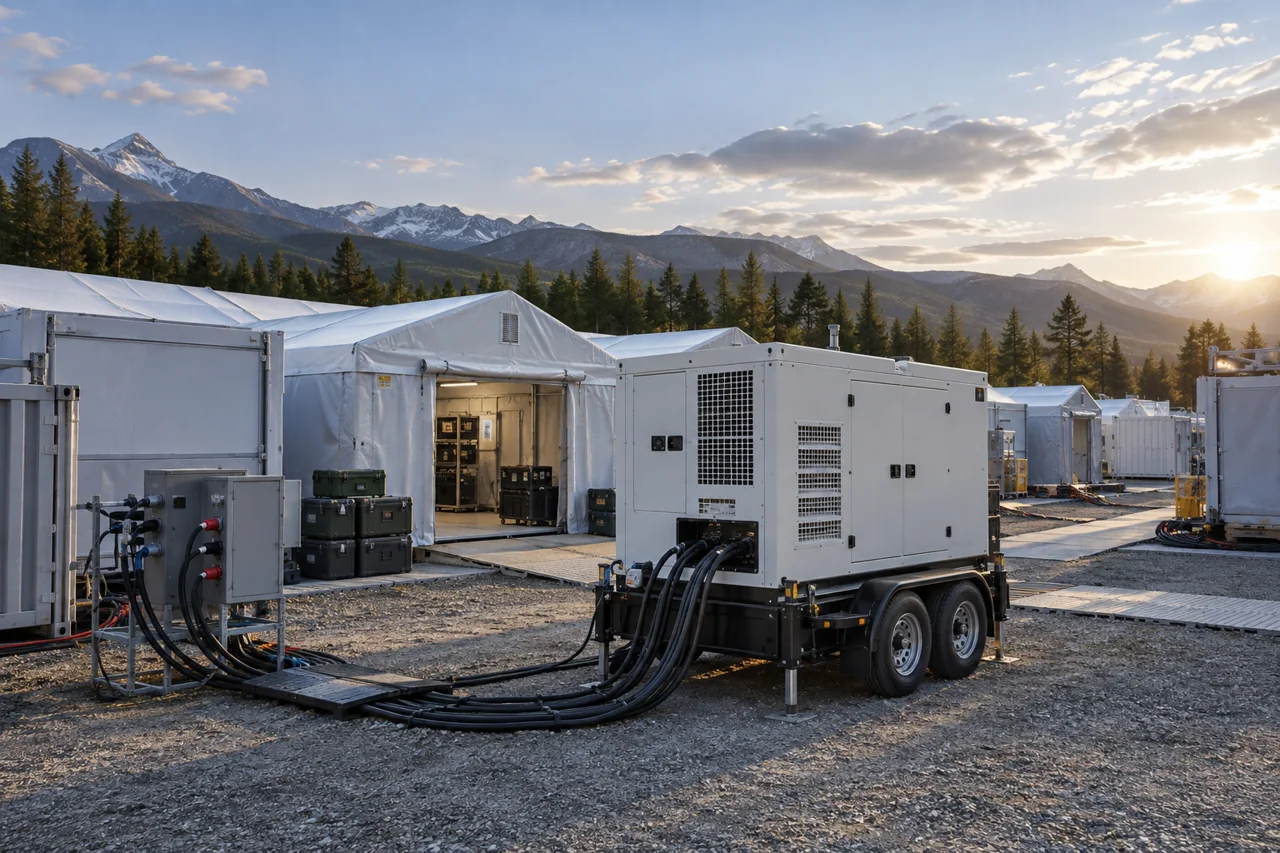
Look beyond the words backup and prime
These application descriptions help start the conversation, but the proposed set must also have an appropriate manufacturer duty rating. Ratings include conditions about load profile and operating use; the same physical set may carry different output figures for different duties.
For definitions, read prime and standby generator ratings. In this article, the main decision is how your site will use power and what the equipment supplier needs to know.
Account for frequent or changing operation
A site with a utility connection may still need regular generation if outages are long or frequent. Share realistic hours rather than describing every grid-connected project as occasional standby use.
Also identify future changes. A construction site can begin with daily generator operation and later use the same equipment for backup after utility service arrives. Confirm suitability for both stages before purchasing. Parallel operation with another source requires separate system design and agreed equipment.

Write a simple operating brief
State the normal power source, expected daily and annual generator hours, typical and peak loads, starting sequence and planned changes. Add fuel access and maintenance arrangements. These details make a duty recommendation easier to assess.
Explore NPC power ranges and send your operating brief. Ask the quotation to identify the proposed rating and its conditions for your application.